The Danger of "Good Enough": Why Outdated Safety Equipment is a Liability
In the construction industry, we often live by the motto: "If it ain't broke, don't fix it."
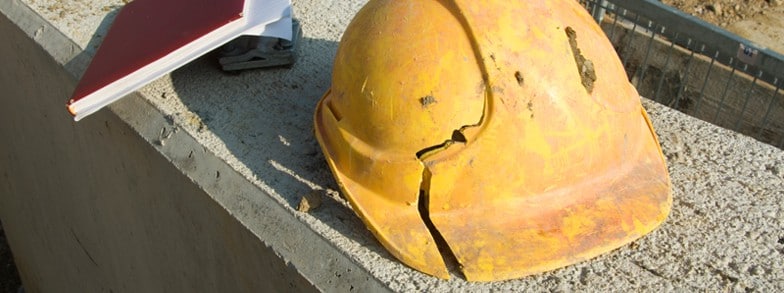
But when it comes to safety equipment, that motto can be dangerous. A hard hat that looks fine might be brittle from UV exposure. A first aid kit might be full of expired bandages. "Not broken" doesn't always mean "safe."
Keeping your safety inventory updated isn't just about ticking a box for an OSHA inspector; it is about ensuring that when an accident happens, your equipment actually works.
Here is why relying on old safety gear is a risk you can’t afford to take.
1. Standards Change (And You Need to Keep Up)
Safety standards aren't static. Organizations like ANSI and OSHA frequently update their regulations based on new research and technology.
For example, the industry is currently seeing a massive shift regarding head protection. As we discussed in our guide to the Top 10 ANSI Z89.1 Safety Helmets, modern helmets now offer better protection against side impacts and rotational forces—features that older "bucket" style hard hats simply don't have. If you are still handing out helmets from 2015, you might be compliant on paper, but you aren't offering your team the best protection available.
2. The "Invisible" Expiry Date
Most tools show wear and tear visibly—a rusted saw blade or a frayed cord is obvious. But safety gear often degrades silently.
-
UV Damage: Plastic harnesses and helmets become brittle after prolonged exposure to sunlight.
-
Chemical Exposure: Fumes and solvents on a job site can weaken synthetic materials over time.
-
Adhesive Failure: The glues in sterile medical packaging break down, compromising sterility.
You can't wait for these items to "break." You have to track their age. This is where a digital inventory system shines—alerting you to replace items before they expire.
3. First Aid: It’s Only Useful If It Works
Imagine an injury occurs on site. You grab the trauma kit, only to find the antiseptic dried up and the adhesive bandages won't stick.
This is a common scenario in work vans and site offices where kits sit unchecked for years. As detailed in our article on How to Choose the Right First Aid Kit, medical supplies have strict expiration dates. Using expired eyewash or medications isn't just ineffective; it can lead to infections and further complications.
4. The Liability Trap
If an accident occurs on your site involving a piece of equipment that is known to be outdated or expired, your liability skyrockets. Insurance companies often look for negligence. Proving that you have a system in place to track, maintain, and update your safety inventory is your best defense against negligence claims.
5. Morale and Professionalism
Your crew knows the difference between quality gear and "bottom of the barrel" scraps. Providing updated, high-quality safety tools sends a clear message: We value your life.
When workers feel safe and valued, they are more productive and more likely to take care of the equipment they are given.
Conclusion: Audit Your Safety Inventory Today
Don't wait for an inspection or an accident to check your gear. Take an hour this week to audit your safety stock. Check the manufacture dates on your hard hats, the expiration dates on your medical kits, and the condition of your harnesses.
Need help keeping track of expiration dates? Volcann’s inventory tracking tools make it easy to set automatic reminders for safety equipment renewal.